
Whoa! The Solana wallet scene changes fast. The pace surprises even veteran users like me. Initially I thought browser extensions were mature, but then realized the landscape keeps reshaping itself and that security, UX, and dApp compatibility often pull in different directions in ways that confuse everyday collectors.
Honestly, that recurring friction bugs me more than I’d expect. Seriously? I used four different Solana wallet extensions last month. Some were slick, others clunky, and a couple lost connection to marketplaces mid-flow. On one hand you get dazzling speed and tiny fees; on the other, privacy trade-offs and scattered seed phrase prompts make you rethink which tools you trust.
Hmm… here’s the thing. Wallet UX is not just about pretty animations but also predictable permissioning. Wide permission requests—tokens and contract calls—are a red flag. Actually, wait—let me rephrase that: it’s not only permissions, it’s the combo of aggressive permission requests, poor revocation UI, and surprising on-chain transactions initiated with a single click that makes even cautious users slip.
Wow! I once thought a seed phrase stored in a browser profile was safe. Turns out a poorly secured extension or update can expose a phrase fast. On Solana, where transactions are cheap and NFTs move quickly, a single leaked key or a phishy signing prompt can drain a collection before you notice a transaction went through. So yes, I’m biased, but I now treat each browser wallet like a small bank.
Okay. Here’s a practical checklist I use when evaluating a Solana browser wallet. I look for permission granularity and open-source code by default. Audits and visible dev activity matter to me. Also, test the NFT flow: import a test NFT, send it between wallets, approve a sale, and watch the transaction logs—somethin’ as small as metadata permissions can become a nightmare later when marketplaces read more than they should.
Really? This is where many wallets stumble for real-world NFT scenarios. Some extensions favor flashy UIs and low fees while hiding complex approvals behind vague language. On the other hand, hyper-conservative wallets lock you down so much you can’t sign a simple trade without too many hoops, which pushes users to unsafe workarounds like juggling multiple extensions or pasting keys into less secure tools. So the sweet spot is a wallet that balances safety and convenience.
I’m not 100% sure, though. I tried a mix of established and newer wallets. One (small team, rapid iterations) handled NFT approvals gracefully but had sparse documentation. Initially I thought rapid iteration meant stronger security, but then realized that without clear changelogs and community scrutiny, frequent releases can introduce regressions that attackers exploit before anyone notices. Community signals and active Discords predict reliability better than marketing hype.
Want a simple pick? Pick a wallet with clean UX and permission previews. Also, check how it communicates transaction details for NFTs—does it show metadata changes, royalty fees, or delegated approvals, and can you revoke approvals later without hunting through obscure menus? By the way, test the recovery flow before trusting it with valuables (oh, and by the way… test twice).
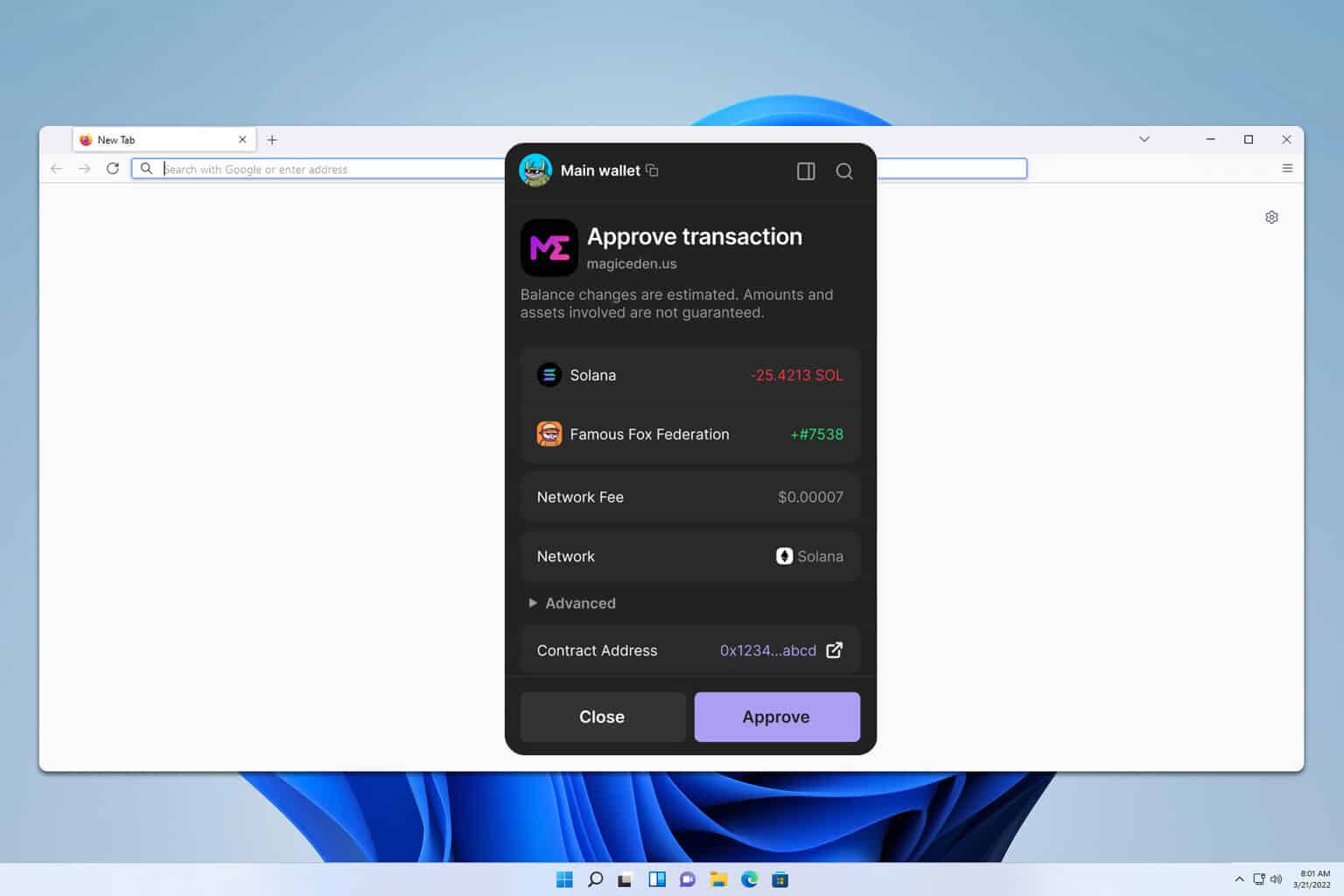
Try this one practical option
If you want a wallet with strong NFT support and thoughtful permission UX, I often point folks to phantom because it balances convenience and safety without getting in the way of collectors.
That said, a few honest caveats. Revocation UX is very very important and often incomplete. I’m biased toward wallets that show you exact calldata in plain English. My instinct said something felt off about some approval dialogs, so I started recording example transactions for future reference. On one hand that’s extra work; on the other, it saved me from a weird drain attempt when a marketplace update changed its approval language.
Practical tips you can use right now: (1) Use a dedicated browser profile for your main wallet. (2) Keep a small hot wallet for day-to-day trades and a cold seed for long-term holdings. (3) Always review the exact token, method, and recipient on signing screens. (4) Revoke unused approvals regularly. And (5) join the wallet’s community channels to catch suspicious updates quickly.
I’ll be honest—this process feels tedious sometimes. It bugs me that collectors must be quasi-security engineers. But over time you build habits that make risky behavior rare. Initially casual clicks become intentional steps, and your NFT vault stays intact. I’m not saying you’ll never face an exploit, though; nobody’s perfect, and new attack patterns appear all the time.
One last aside: if you dabble with multiple wallets, keep clear labeling and test small transfers before committing to big moves. Also, back up recovery phrases offline, not as screenshots. And remember that convenience often comes at a cost—so ask whether the trade-off is worth it for your collection. In many cases it isn’t, but sometimes it is, and that’s okay—just be deliberate.
Common questions
Which wallet is best for NFTs on Solana?
There isn’t a single “best” choice for everyone. Look for permission previews, NFT-focused UX, active audits, and community trust. For many users I recommend phantom as a starting point because it hits a lot of those marks while keeping things simple. (Note: only link shown earlier counts.)
How can I test a wallet safely?
Use small transfers and test NFTs, check transaction logs, and try revoking permissions. Keep one browser profile for testing so you don’t mix keys. And yes, try the recovery process before storing valuables.
What red flags should I watch for?
Vague permission language, requests for blanket approvals, closed-source extensions, and sudden removal of changelogs are red flags. If something smells phishy—trust that smell. My gut has saved me more than once.